Building Intensification and Neighbourhood Change in Transit-Oriented Development Zones
The report examines how rapid transit investments and planned station-area development are transforming neighbourhoods across five Canadian cities, with a particular focus on the tensions between accessibility, growth, and displacement.
Led by: Prentiss Dantzler
Team: Prentiss Dantzler, Khalil Martin, Abigail Meza

background
Rapid transit investments are increasingly shaping patterns of urban growth, housing development, and neighbourhood change across Canadian cities. As governments invest in new transit infrastructure to address affordability, congestion, and climate goals, station areas have become focal points for intensification and redevelopment. These investments are often accompanied by rising land values, increased private development activity, and shifting demographic patterns that can significantly alter the social and economic character of surrounding communities.
This report examines how new and planned rapid transit investments are reshaping five Canadian station areas. Through a comparative analysis of neighbourhood change, housing dynamics, and planning policy, the study explores the relationship between transit infrastructure, redevelopment, and housing justice. The findings contribute to ongoing discussions about equitable transit-oriented development and the need for coordinated housing, land use, and transportation policy that prioritizes community stability alongside urban growth.
Findings
The five station-area case studies reveal that rapid transit investments are reshaping neighbourhoods in uneven and highly localized ways. While transit-oriented development is often associated with density, accessibility, and growth, the findings show that transit infrastructure alone does not determine neighbourhood outcomes. Local planning policies, housing markets, and tenant protections strongly shape who benefits from these investments.
Key findings include:
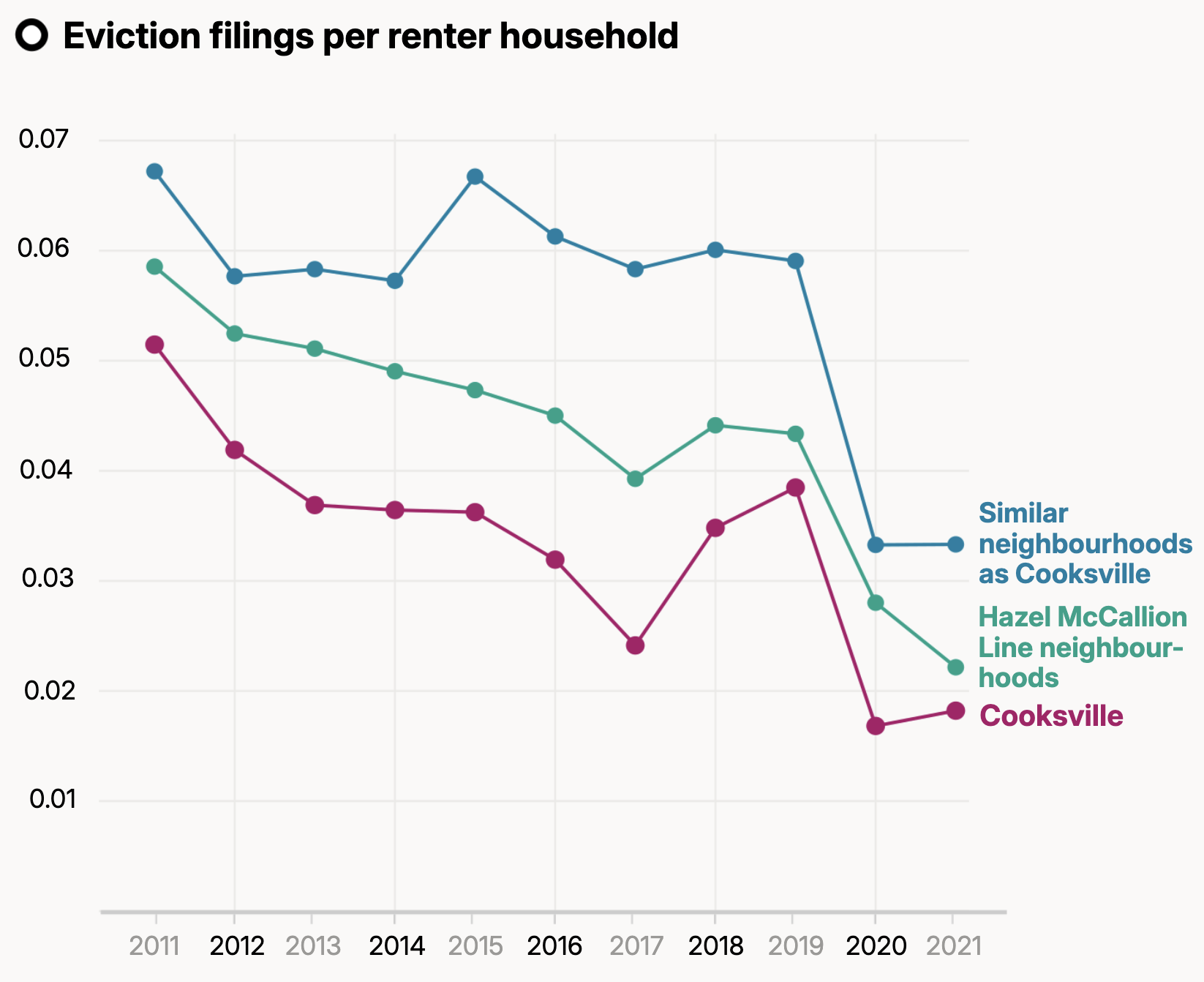
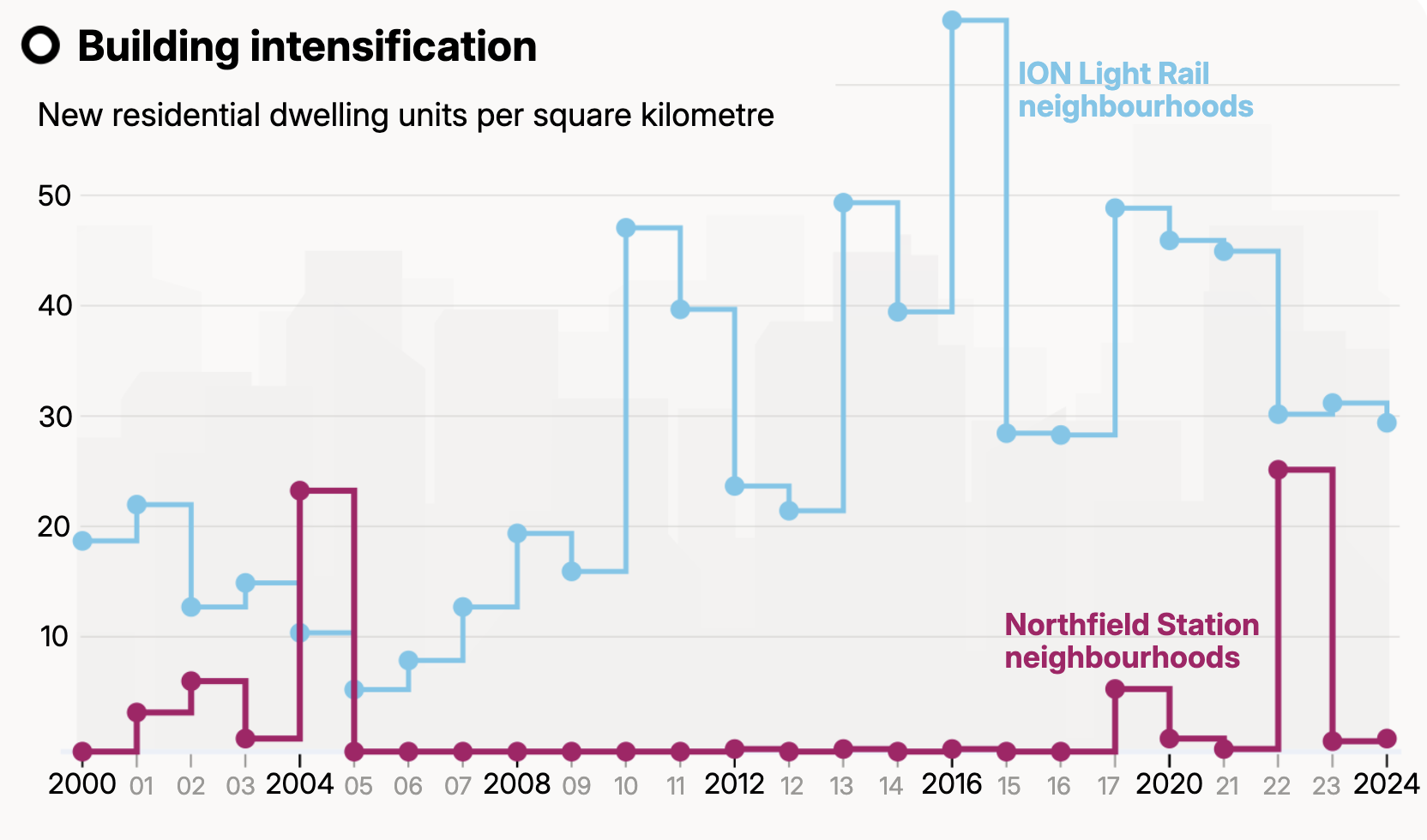
Transit-oriented development varied significantly across the five station areas, with stronger redevelopment pressures emerging in Arbutus and Cooksville than in Northfield or Panama.
McKernan–Belgravia experienced substantial intensification nearly a decade after the station opened, highlighting the delayed impacts of transit investment.
Visible minority populations increased across most station areas between 2011 and 2021, though demographic change followed different patterns in each neighbourhood.
In several cases, growing diversity occurred alongside rising housing costs and tightening rental markets, raising concerns about long-term affordability and displacement.
The findings suggest that equitable transit-oriented development depends on coordinated housing, land-use, and anti-displacement policies alongside transit expansion.